What is an aging-in-place bathroom remodel?
It's a bathroom remodel that makes the room safer and easier to use as someone gets older, so they can keep living at home. The bathroom is where most home falls happen, so it's usually the first room families change.
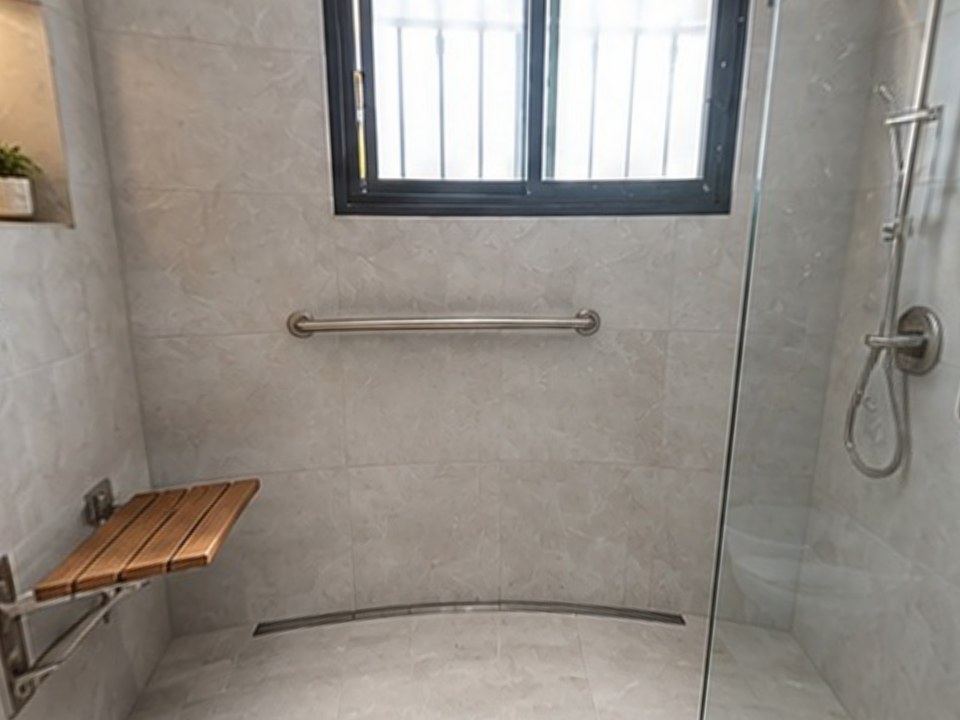
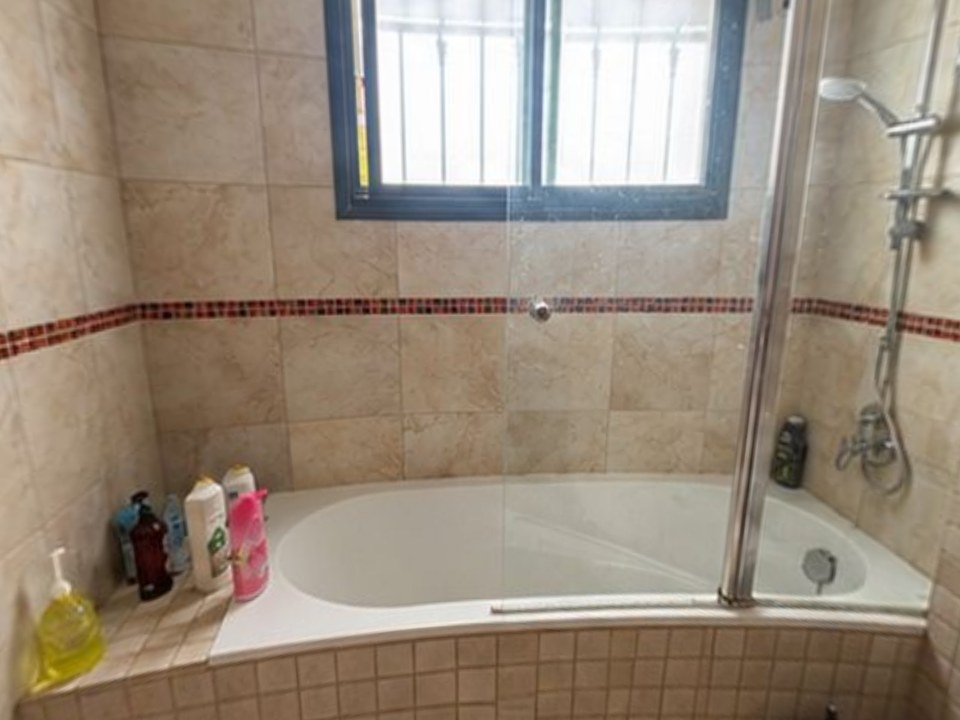
Typical changes: replacing a tub with a curbless walk-in shower, adding grab bars, a shower seat, a handheld shower, a comfort-height toilet, non-slip flooring, better lighting, and more room to move.
Why do aging-in-place bathroom jobs stall?
Because the decision is emotional and shared. The homeowner worries it will look like a hospital. Their kids worry about safety and cost. Nobody can picture a curbless shower in that bathroom from a sketch, so the job waits "until we've talked it over".
A tour of the real bathroom answers both fears at once: it shows the safety features, and it shows the bathroom still looks like a nice bathroom. Everyone can look at it from their own phone, in different cities.
At our own remodeling company, our close rate went from 3 in 10 estimates to 5–6 in 10 after we started sending 360° tours.
What aging-in-place features can you show?
| Feature | Why it matters | Shown in the tour |
|---|---|---|
| Curbless walk-in shower | No step to trip on; works with a walker or shower chair | Yes |
| Grab bars | Support at the toilet, shower entry and inside the shower | Yes |
| Fold-down or built-in shower seat | Safe seated showering | Yes |
| Handheld shower on a slide bar | Easier to use seated | Yes |
| Comfort-height toilet | Easier to sit and stand | Yes |
| Non-slip floor tile | Less slippery when wet | Yes |
| Better lighting and a lit niche | Fewer shadows, easier to reach | Yes |
| Wider doorway | Room for a walker or wheelchair | Shown visually; measure on site |
How does the aging-in-place visualizer work?
Take 2 photos
From the doorway and from the far corner of the bathroom. Normal phone camera.
Type the plan
"Tub out, curbless shower with glass panel, fold-down seat, grab bars by the toilet and shower, handheld shower, keep the vanity and mirror".
Send one link
About 6 minutes later the family walks around the bathroom in 360°, before and after, every change labeled.
Adjust together
"Can the seat go on the other wall?" Each change round takes about 2 minutes.
How is this different from other bathroom visualizers?
| Tool | What you get | Good for |
|---|---|---|
| Remodel in 360 | 360° tour of the real bathroom with each safety change labeled | Families deciding together; contractors selling the job |
| HanoDecor | AI restyles of one photo in 50+ styles | Style ideas |
| Ideal House | AI bathroom redesign from one photo | Quick looks |
| Planner 5D | AI layouts and 3D bathroom floor plans | Planning the layout |
Based on each tool's own website, checked October 2026. We make Remodel in 360. See also the bathroom remodel visualizer and AI bathroom remodel pages.
Style tools focus on looks and usually redraw the whole room. For an aging-in-place job, the family needs to see specific safety features in their own bathroom, and what stays the same.
What measurements matter in an aging-in-place bathroom?
A visual doesn't replace measuring. Many contractors use the ADA 2010 Standards as a guide, even though private homes don't have to meet ADA. Commonly used figures:
- Grab bars mounted 33 to 36 inches above the floor
- A 60-inch clear circle to turn a wheelchair
- At least 32 inches of clear width through the doorway
- Toilet seat height of 17 to 19 inches
Check local code, the person's actual needs, and advice from their occupational therapist. Every Remodel in 360 tour says it's a visualization, not a construction drawing or a code check.
How do contractors use it to win aging-in-place jobs?
Send the tour to the homeowner and, with their OK, to their kids. Walk through it together on a call. Point out each labeled change and what it does. The family sees a safe bathroom that still looks good, and the decision stops waiting for the next family dinner.
Related: tub to shower conversion software, bathroom remodel software and what to do when your client can't visualize the remodel.