What should a remodeling estimate include?
Get the document right first, so the presentation has something solid to stand on. A remodeling estimate the client can say yes to has these parts:
| Part | What to put in it | Why it matters |
|---|---|---|
| Scope of work | Room by room: what comes out, what goes in, what stays and is protected | Prevents "I thought that was included". Try the free scope of work generator |
| Materials and allowances | Cabinets, tile, fixtures, with allowance amounts | Sets expectations before the client shops |
| Options | Good, better, best, with your recommendation in the middle | Turns "yes or no" into "which one" |
| Visual of the result | A tour, rendering or photos of the finished room | The client buys the room, not the number |
| Price and payment schedule | Total per option, deposit, progress payments | Clear money terms build trust |
| Timeline and terms | Start date, duration, permits, warranty, change order process | Answers the questions they'd ask other bidders |
Want a ready-made layout? Use our free remodeling estimate template with good, better, best options.
What's the difference between an estimate, a quote, a bid and a proposal?
| Term | What it means to the client |
|---|---|
| Estimate | An approximate price for the work, which can change as details are set |
| Quote | A fixed price for a defined scope, usually valid for a set time |
| Bid | Your price submitted in competition with other contractors |
| Proposal | The full sales document: scope, options, price, terms and signature |
Clients use these words loosely. When you present, say clearly which one they're holding and how long the price is good for.
How do you prepare before the meeting?
- Present in person or on a video call, not just by email if you can avoid it
- Make sure everyone who decides will be there, including the spouse who wasn't at the walk-through
- Prepare good, better and best options, with the one you recommend in the middle
- Have the visual ready: the finished room, not just the line items
- Know your answer to the 3 objections you hear most: price, trust and timing
1. Why should you start with what they told you?
Open with their reasons, in their words: "You said the tub is hard for your mom to get into, and you want the bathroom to feel bigger." It shows you listened, and it frames everything after it around their goals instead of your price.
2. Why show the finished room before the number?
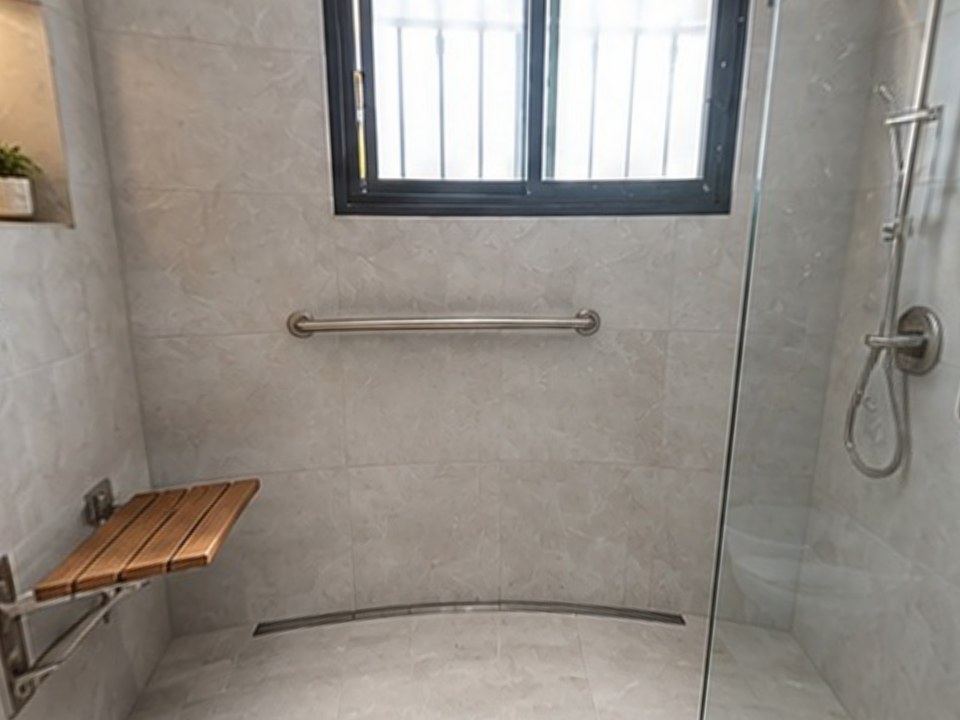
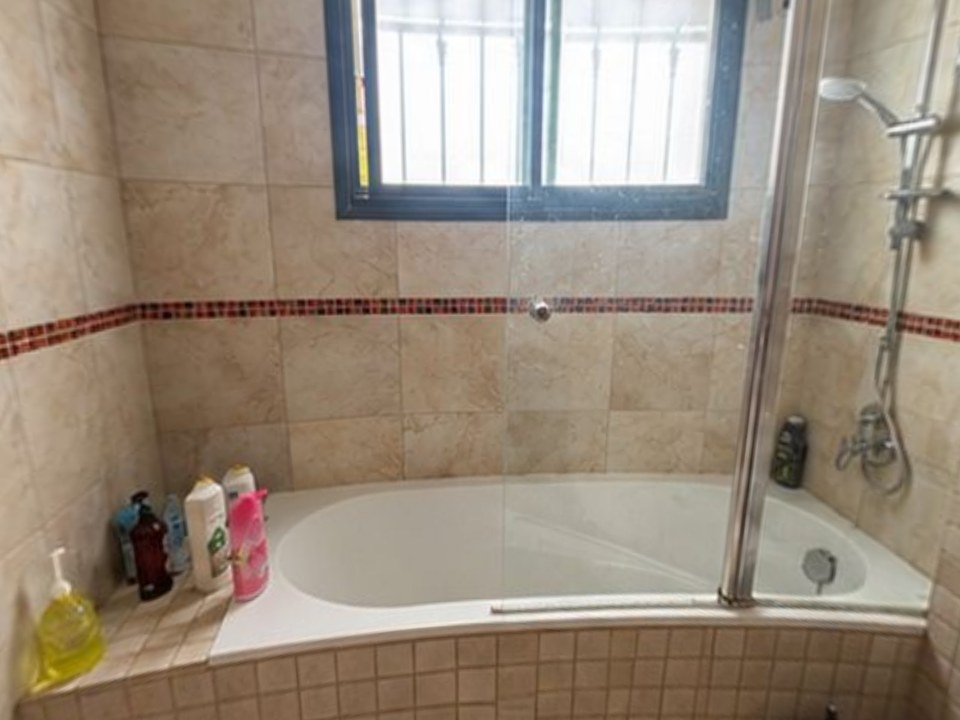
Because a price on its own gets compared; a price after the finished room gets decided. We hand them the phone with a 360° tour of their own bathroom or kitchen, finished, and let them look around and flip between Before and After. Every change is labeled, so they're already reading the scope while they look.
If you don't use a tour, use photos of a similar finished job. Anything is better than going straight to the total. More in what to do when your client can't visualize the remodel.
3. How do you walk through the scope?
In plain words, grouped the way they think about it: what comes out, what goes in, what's protected, how long it takes. Call out the parts other bids often leave out, like waterproofing, permits, dust protection and haul-away, without naming anyone. That's how you answer a lower bid before they bring it up. See how to beat lower bids.
4. When and how should you give the price?
After the visual and the scope. Say the number for your recommended option clearly and stop talking. Then show the other two. Options turn "yes or no" into "which one", and the middle option is the one most people pick.
5. How should you answer "what if" questions?
"What if we kept the tub?" or "what about a darker floor?" is a buying signal. Answer it now, with a price and, if you can, a picture. With a Remodel in 360 tour, a change round takes about 2 minutes, so they can see the new version before you leave.
6. How do you handle "we'll think about it"?
Ask, kindly, what they want to think about. It's almost always one of three things:
| What they mean | What to offer |
|---|---|
| Money | A smaller first phase, the "good" option, or financing |
| Trust | Past work like theirs, references, and how you handle surprises behind the walls |
| Timing | Your real schedule and what holds a start date |
7. How do you close with a small next step?
Don't ask for the whole contract. Ask them to pick a start date and put down the deposit. Then send everything in one message: the estimate, the tour link they can show family, and the date you discussed.
How do you present an estimate by email?
Lead with the visual, not the attachment: "Here's your bathroom finished" and the tour link, then one line with the price of the recommended option, then the PDF. Offer a 15-minute call to walk through it. Then follow up with something new to look at, not just "checking in". See how to follow up on a remodeling estimate.
At our own remodeling company, our close rate went from 3 in 10 estimates to 5–6 in 10 after we started sending 360° tours.
What mistakes lose remodeling estimates?
- Emailing a PDF with no conversation
- Leading with the total before they've seen what they get
- One option only, so the answer is yes or no
- Vague scope that makes a cheaper bid look the same
- Waiting a week to answer a "what if" question
- Ending without a clear next step
Check what a better close rate is worth to you with the free close rate calculator.