What do the numbers say?
In Modernize's 2018 homeowner survey of 2,500 people, 43% said they choose a contractor based on the price of the estimate, and half said they collect at least three estimates first. That's older data from one survey, but it matches what most remodelers see: multiple bids, and price as the tie-breaker.
The key word is tie-breaker. Price wins when nothing else clearly separates the bids.
Why does the cheap bid look better to homeowners?
- They can't judge quality: waterproofing, substrate and craftsmanship are invisible on paper
- The scopes aren't comparable: the cheap bid leaves things out, and the client can't tell
- They can't picture the result, so every bid promises the same imaginary bathroom
- They fear going over budget: a lower number feels safer, even if change orders follow
- They don't know you yet: no reviews, no past work, no reason to trust the higher number
- Nobody gave them another reason: no options, no story, no follow-up with anything new
Why is one contractor's quote so much cheaper than another?
Usually because the quotes don't include the same work. When you present, walk the client through these, so they can ask the other contractor the same questions:
| What differs | What the cheaper quote often does | What it costs the homeowner later |
|---|---|---|
| Scope | Leaves out demo, haul-away, prep or trim | Change orders once work starts |
| Materials | Uses lower grade or unspecified products | Shorter life, more repairs |
| Waterproofing and prep | Skips or rushes steps no one sees | Leaks and failures behind the tile |
| Labor | Unlicensed or less experienced crews | Mistakes, delays and rework |
| Insurance and permits | Not included or not carried | Risk and code problems at resale |
| Cleanup and protection | Not mentioned | Dust and mess in an occupied home |
| Warranty | Short, vague or none | No one to call when something fails |
Write your own scope in plain words with all of these listed. Try the free scope of work generator and estimate template with options.
How do contractors win without lowering their price?
Make the result visible
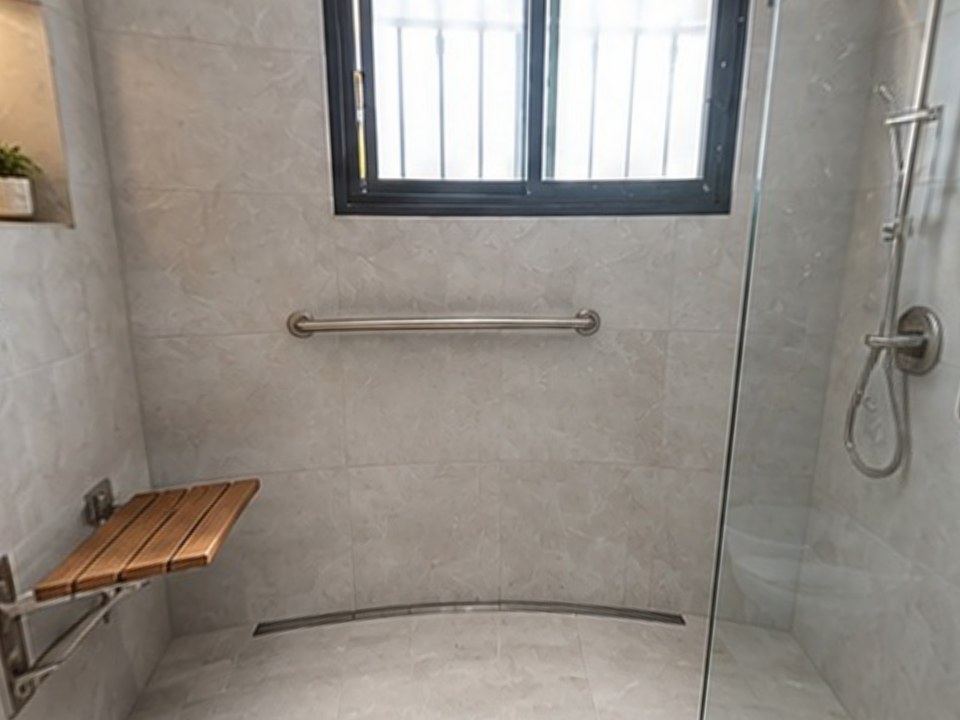
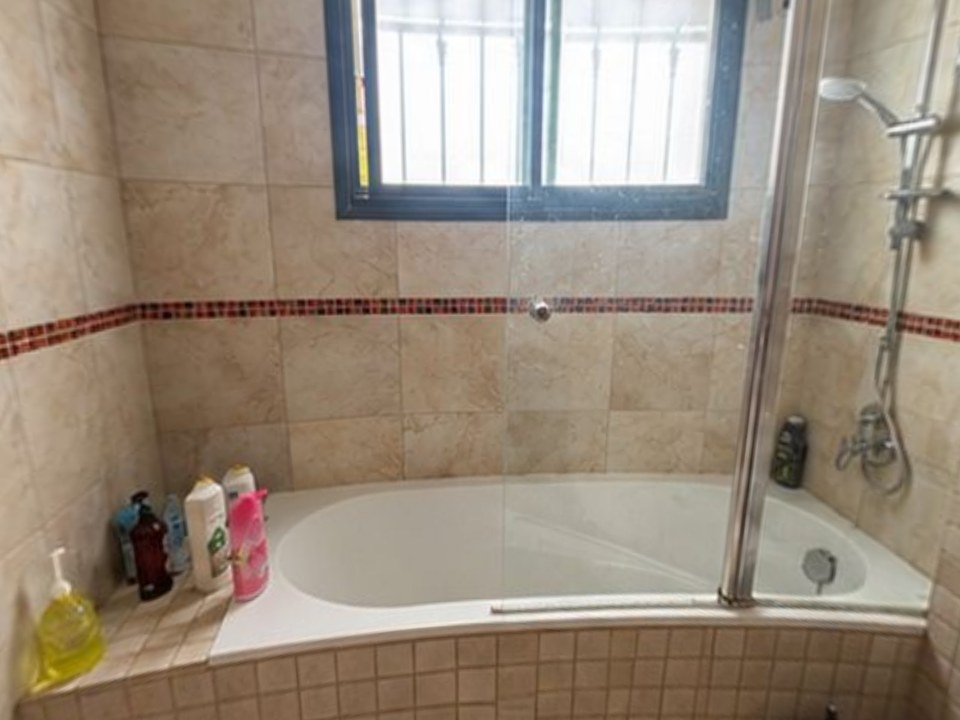
Show their own room finished. A client who has walked through their new bathroom on their phone is comparing one real room with two imaginary ones. See what to do when your client can't visualize the remodel.
Make the scope comparable
List what's included in plain words, especially what cheap bids skip. Let them ask the other contractor.
Give options
Good, better, best. Now they compare your options with each other, not your price with someone else's.
Show proof you're trustworthy
Reviews, photos of similar finished jobs, license and insurance, a real person who answers the phone.
Explain surprises up front
Say how you handle a rotten subfloor before it happens. It takes the fear out of a higher number.
Present it, don't just email it
Walk them through it with everyone who decides. See how to present a remodeling estimate.
Follow up with something new
A revised version, a photo of a similar job, an answer to their question. See how to follow up on a remodeling estimate.
What happened when we changed it?
The biggest change for our remodeling company was the first one: sending every client a 360° tour of their own room, finished, with the estimate. At our own remodeling company, our close rate went from 3 in 10 estimates to 5–6 in 10 after we started sending 360° tours.
You can try it on your next estimate: 2 phone photos become a 360° before & after in about 6 minutes, and your first tour is free. See pricing.
How much does price really matter to homeowners?
A lot, but not alone. Most homeowners have a budget and want to stay in it; very few are hunting for the absolute lowest number. What they want is to not overpay for the same thing. When your bid clearly isn't the same thing, because they can see the result, the scope and who you are, a higher price is easy to justify.
Check what a better close rate is worth to you with the free close rate calculator.
When should the cheapest bid win?
Sometimes the client really has only one budget, and that's fine. Offer your smallest good option and leave on good terms. The goal is to stop losing the clients who would have chosen you if they could see the difference. More in how to beat lower bids.