Why the lower bid wins
Three estimates arrive. Each has a scope, a total and a payment schedule. The homeowner can't judge workmanship, materials or how you'll handle a rotten subfloor, so they judge the one thing they can read: the number.
Every step below is about giving them something else to judge.
1. Let them see the finished room
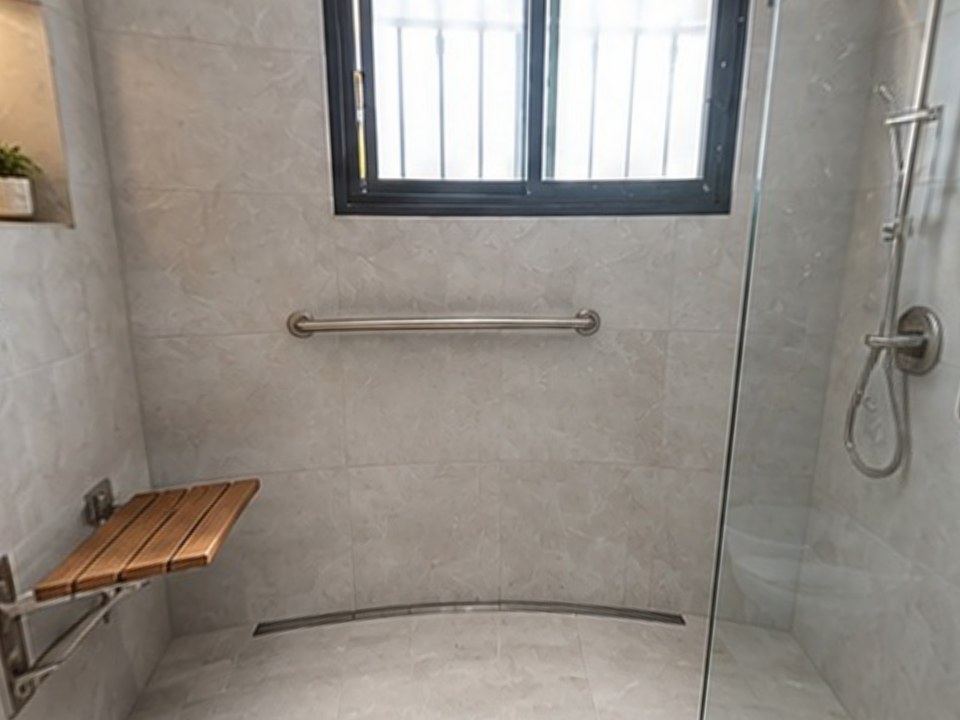
This was our biggest change. A homeowner who has walked around their own finished bathroom on their phone isn't comparing three PDFs anymore. They're comparing one room they've seen with two they have to imagine.
We send a 360° before & after tour with every estimate, made from 2 phone photos in about 6 minutes. That's why we built Remodel in 360.
2. Write the scope so the gaps are obvious
Name the things a cheap bid leaves out: demo and haul-away, waterproofing method, backer board, permit, plumbing rough-in, trim, paint, cleanup. Don't attack the other contractor. Just make it easy for the client to ask them, "is this included?"
3. Offer good, better, best
With one price, the client compares you with the other bids. With three options, they compare your options with each other. Make the lowest option close to the cheap bid, with a clearly smaller scope, and make the middle one the one you recommend.
4. Use their words, not yours
At the visit, write down why they want the remodel: "my mom is moving in", "the tub is impossible to clean". Put those words at the top of the proposal. The cheap bid won't have them.
5. Show how you handle surprises
The real fear behind price shopping is the final bill. Explain in one paragraph what happens if you open the wall and find a problem: how you tell them, how it's priced, that nothing happens without their OK.
6. Be the fastest, not the cheapest
Answer the lead fast, send the estimate the same day if you can, and answer "what if" questions during the visit instead of a week later. Speed feels like reliability, and reliability is what they're really paying for.
7. Follow up with something to look at
"Just checking in" pushes them toward a decision on price. A tour link they can show their spouse, a photo of a similar finished job, or a new version with the darker floor they mentioned gives them a reason to pick you.
When to walk away
Some homeowners only want the lowest number, and that's fine. If they say price is the only thing that matters, give them your smallest good option and move on. The goal isn't to win every bid, it's to stop losing the ones where you were the better choice.